
Birdwatching in London: Connecting with Nature for Inner Peace
London’s pace may be fast, but its skies and trees tell a quieter story.
If you stop long enough to notice.
From black swans and parakeets to geese and the occasional raven, the city is full of birdsong and movement, tucked into parks, marshes and wetlands.
Whether you’re heading out solo or with kids in tow, these bird-watching spots across London offer a gentle reason to look up, slow down, and reconnect with something quieter.
Before you invest in a nice pair of bird watching binoculars and a bird-watching guidebook, check out the London Bird Club website.

It has all the information you need to know about birding in London based on the LNHS Recording Area.
It is run by London Birders but anyone can contribute to it.
The site is a little bit patchy but if you want to know where to go birding in London then look at the Local Patches page.
For information about meetings and walks see the Events page.
For more general birding information, visit the Noticeboard.

To find links to other birding sites see BirdingLinks.
Barnes’ London Wetland Centre is a nature reserve full of wildlife, including some of the world’s rarest birds.
It’s a London birdwatching institution, filled with trails and walks, seasonal events and lots of outdoor activities for kids.
In spring, you can expect to see sand martins preparing to nest, wheatears and wagtails on the grazing marsh and the appearance of warblers is anticipated.
In the colder months, there are colourful ducks to be spotted, as well as winter thrushes digging for worms and bittern to be found in the reed beds.

The website is updated with newest sightings so you’ll know what to look out for.
The Friends of Tower Hamlets Cemetery Park
The Friends run monthly wildlife watch club Bow Beasties for all of the family in Cemetery Park every third Saturday of the month, which is the largest woodland in the Tower Hamlets borough.
Ken and Zoe and their two kids offer a range of environmental outdoor activities to celebrate seasons and wildlife at Cemetery Park.
It’s a great place to see and hear birds at any time of year.
In spring and summer, there are colourful wildflowers in the woods and meadows, and butterflies and other insects can be seen on sunny days.

With its many interesting monuments, a visit is a good way to enjoy both natural and cultural history.
The Friends group organises walks and talks, as well as training and volunteer work days.
Adjacent to the River Thames, this former Ministry of Defence firing range covering 870 acres is managed by the Royal Society for the Protection of Birds (RSPB).
The North London Marshes are a mixture of shallow lagoons and lowland grazing marsh dissected by ditches, seedbeds and woodland.
These provide a home to a wide range of bird species such as little grebe, shoveler, tufted duck, wigeon, peregrine, sparrowhawk and chiffchaff.
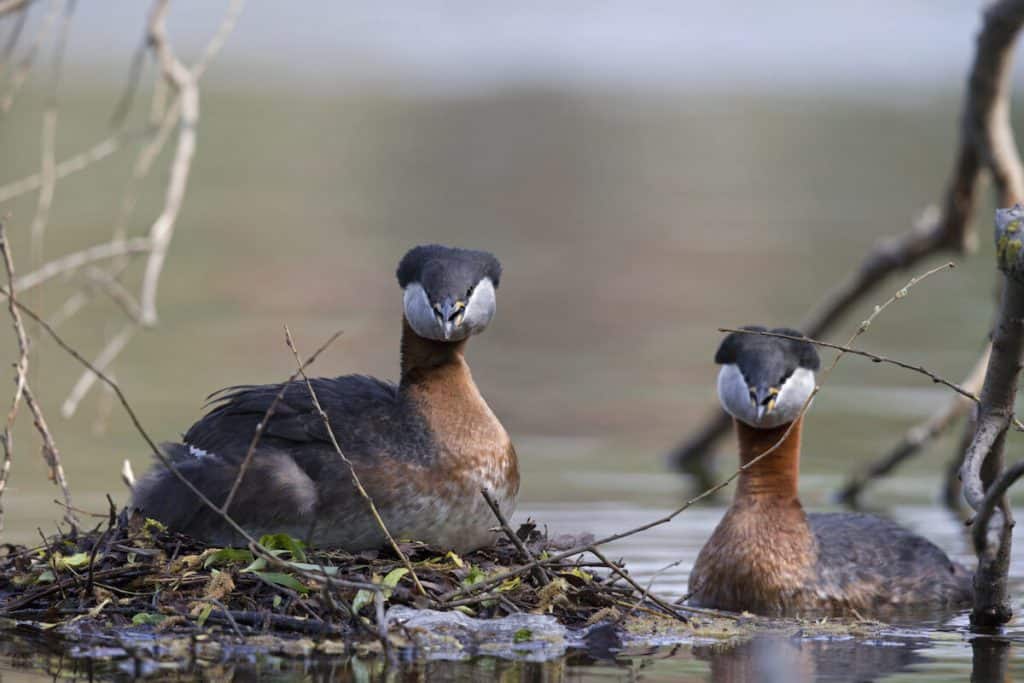
There are three trails on wide surfaced paths or boardwalks.
The visitor’s centre provides a shop, toilets (including disabled), views over the reserve and a cafe.
Hampstead Heath
This large, ancient London park covering 320 hectares is as much a lure for open water swimmers and dog walkers as it is birds of all kinds.
Red kites (of the feathered sort) and buzzards are regularly seen over Parliament Hill where the topography produces impressive thermals.
According to a local birdwatcher, these are both species “mobbed relentlessly” by local crows.
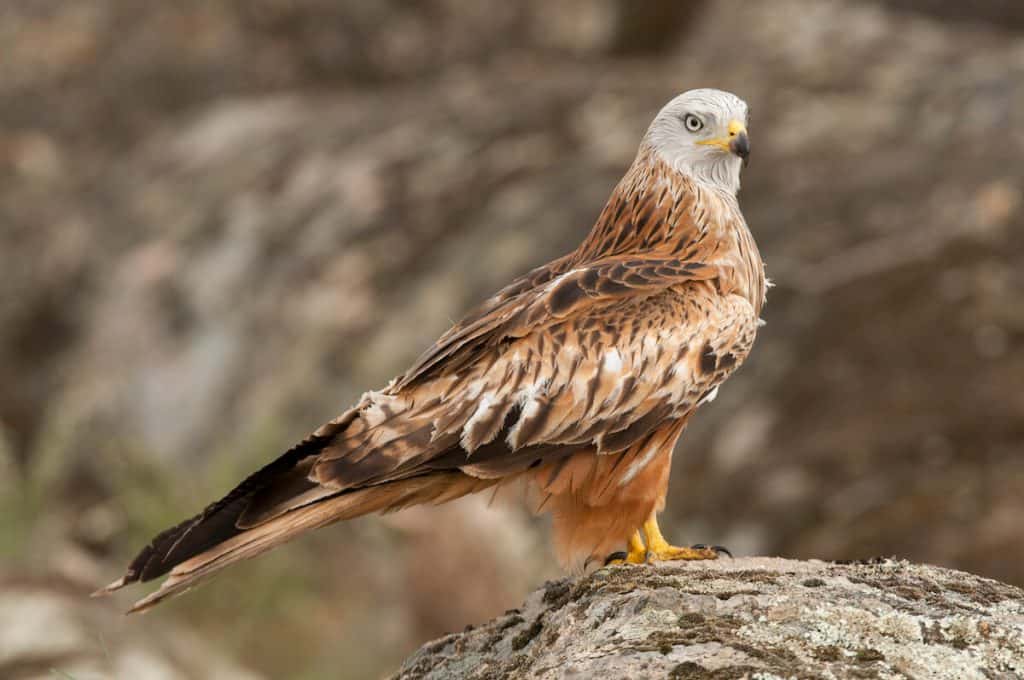
Other bird sightings include kestrels, falcons, finches, tits and thrushes.
The best sightings happen early morning with birds of prey such as hobby and osprey all possible.
The Heath itself is great for sightings of common species such as nuthatch and woodpeckers.
South London’s Beddington Farmlands is a 400 acre site in the foreland of the wider Wandle Valley Regional Park.
The Beddington Farm Bird Group, formed in 1992, monitors breeding and wintering bird populations as well as migration at the Farmlands birding sites.
The Group also carries out habitat management and restoration.

Key-holder membership includes site access, member-only events and an annual wildlife report.
There’s a Facebook page and Twitter account so you can be kept up to date with the most recent sightings.
Over in East London again, the Woodberry Wetlands, all 11 hectares of reed-fringed ponds and dykes, are free and accessible for Hackney-dwellers and beyond.
The reserve is five minutes walk from Manor House, Stoke Newington and Woodberry Down.
The Wetlands support various species throughout the year from wintering populations of pochard, shoveler, gadwall ducks, to reed warbler and bunting who have migrated from Africa for spring and summer.
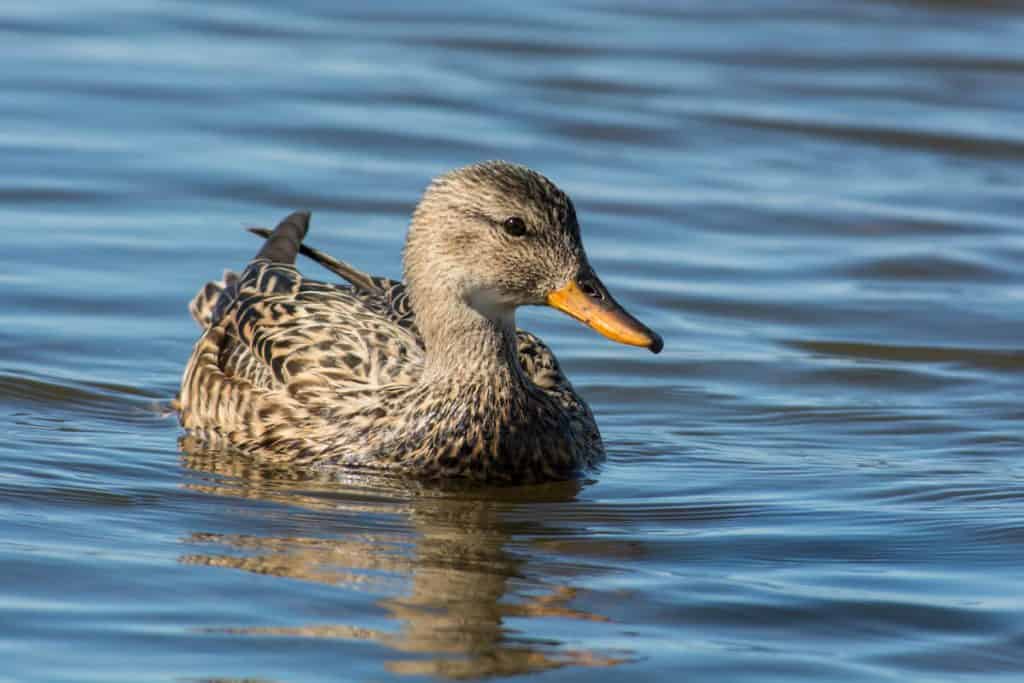
There are also various species of bats living in the trees as well as butterflies, newts, dragonflies, frogs and toads.
Part of the Lee Valley Special Protection Area and Ramsar wetland designated site of international importance, the Walthamstow Wetlands is a Site Of Special Scientific Interest (SSSI).
The area includes ten reservoirs which offer a haven for overwintering wildfowl such as pochard and gadwall.
They are regionally important for breeding birds such as grey heron, tufted duck and little egret.
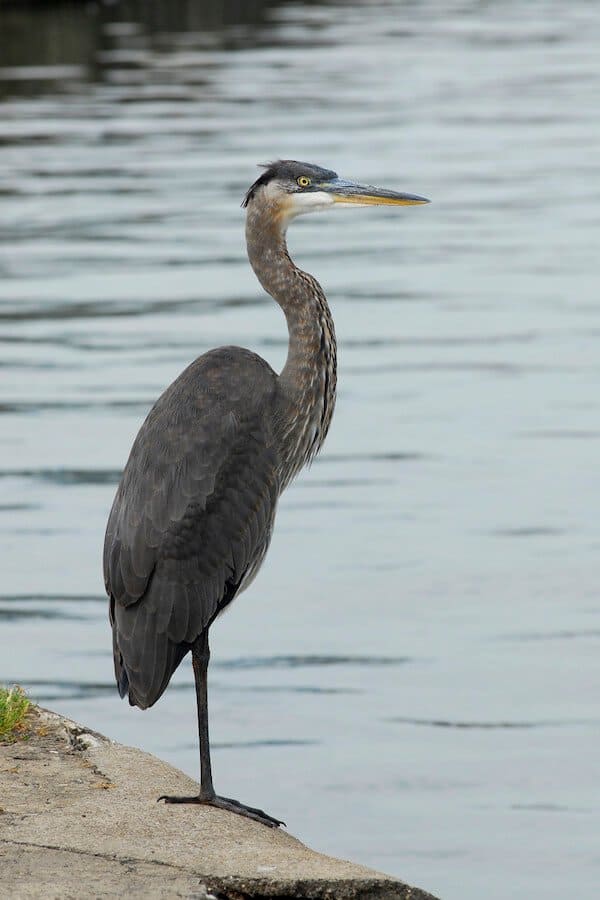
Swifts visit during the summer and kingfisher and peregrine falcons can be seen year round.
Lee Valley also hosts an annual Bittern Roost Watch, a highlight in the conservation calendar.
The free event begins with a short walk to the Wildlife Discovery Centre, stopping at the viewpoint over Seventy Acres Lake for a quick update on Bittern conservation in the Lee Valley.
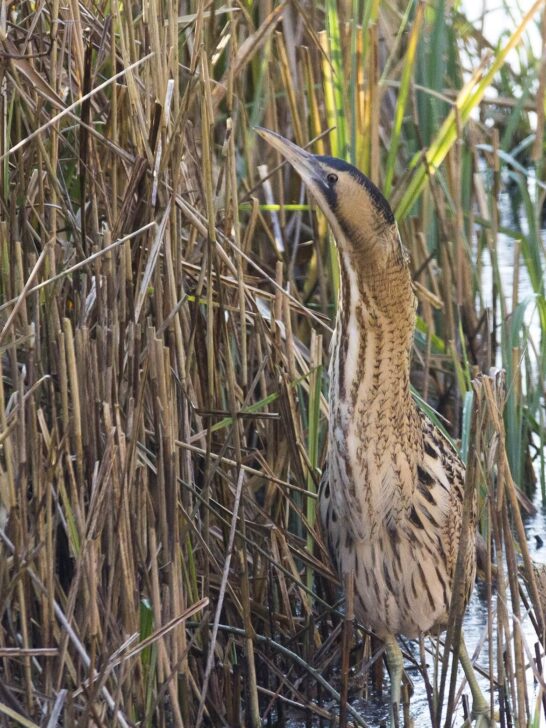
Set overlooking Seventy Acres Lake, the Wildlife Discovery Centre is one of the best places in the country to see wintering Bittern, a member of the Heron family that returns to overwinter in the valley’s reedbeds, alongside other winter visitors including Teal, the UK’s smallest duck and the impressive Smew.
The Roost Watch takes place in the Bittern hide at the centre which offers the perfect viewpoint over the reedbeds.
The centre also boasts wildlife cameras with live, up-close footage and a five-metre viewing tower with 360 degree views of the surrounding area.
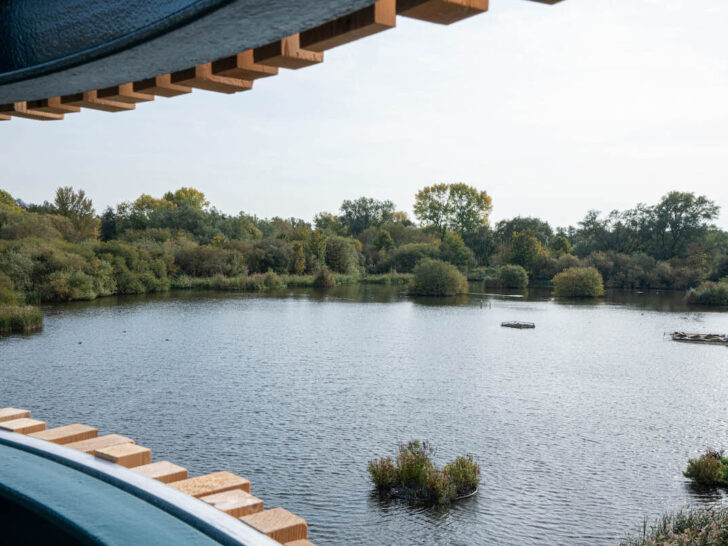
Wildlife & Wellbeing Trail, Barking
A new Wildlife & Wellbeing Trail has been created to introduce people to the diverse denizens of this unique inner city landscape, including birds, water voles and seals.
The trail is intended to forge a connection between the natural world, the landscape’s industrial past, and the local community.
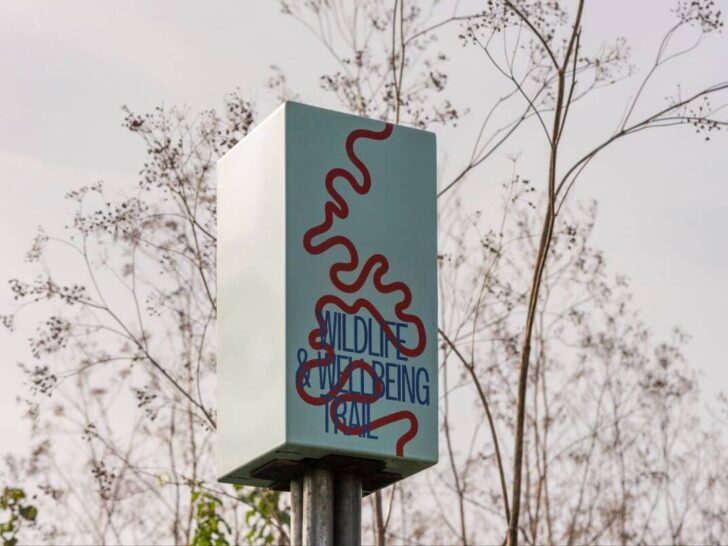
The Wildlife & Wellbeing Trail will take you on a journey to discover the endangered, protected and often hidden wildlife.
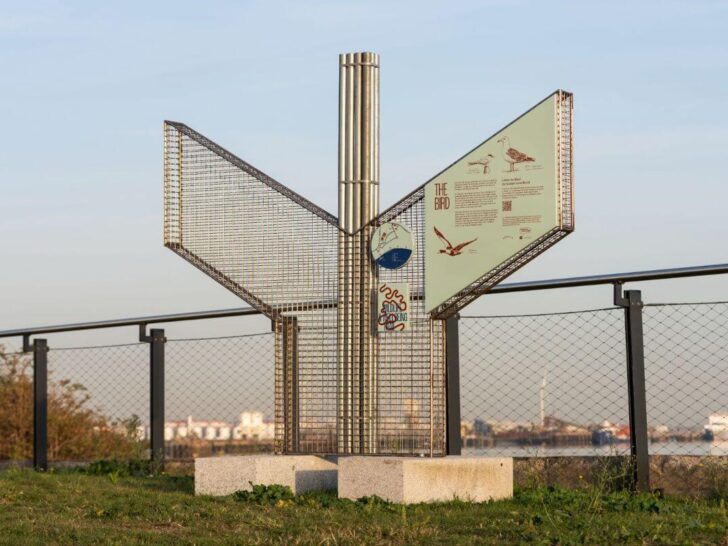
The trail takes you through Oystercatcher Park, home to a range of protected species, and on to the Thames Foreshore, where seals sunbathe and migrant birds travel from South Africa shores to breed.
Too Twitchy? Try These Instead
The Round Pond in Kensington Gardens has a black swan which hangs around the other white swans looking both arrogant and lonely.
Near the Serpentine (opposite the bank that hosts the Henry Moore sculpture) there is a large amount of green parakeets that nestle in the trees and eat apples from an outstretched hand.
There are pink flamingos at London zoo, owls and bats in Hyde Park, and peacocks strutting around Holland Park.
Crucially – for all of our safety – there are ravens at the Tower of London whose presence is traditionally believed to protect The Crown and the Tower.
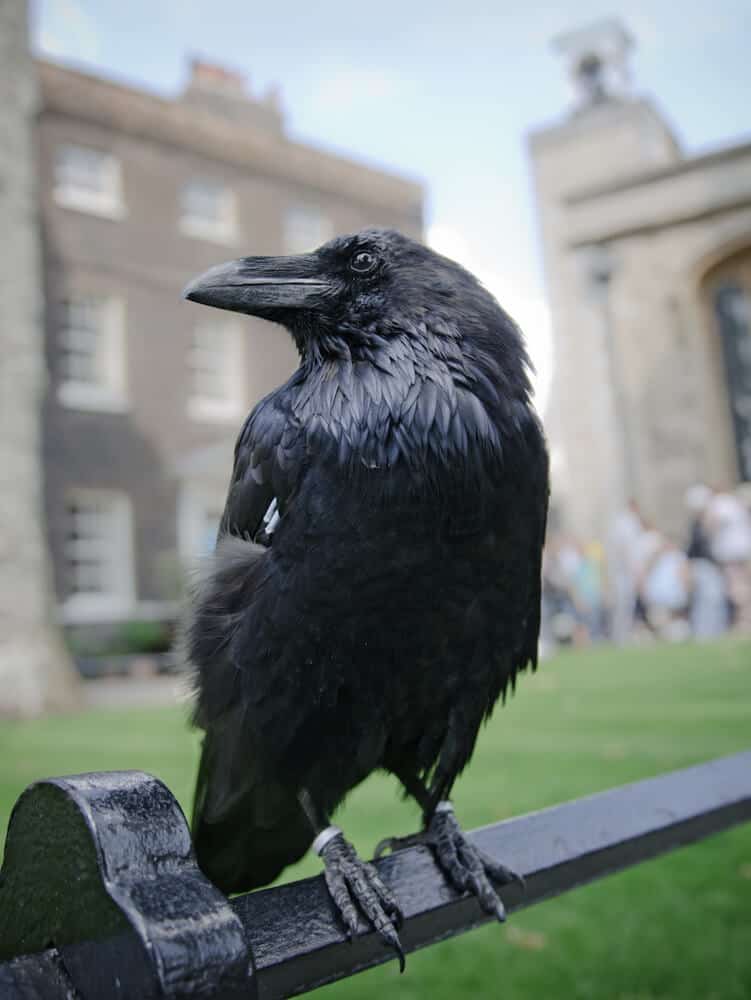
Superstition has it that “if the Tower of London ravens are lost or fly away, the Crown will fall and Britain with it.”
Where’s your favourite place to go bird watching in London?