
How to Choose Clothes That Feel Better (And Last Longer)
You don’t need to overhaul your entire wardrobe to make better choices.
Sometimes, it’s about small tweaks: the fabric you pick, how it wears over time, and how it feels against your skin.
Whether you’re shopping with comfort in mind or trying to avoid replacing clothes every season, understanding how different materials work can save you time, money, and irritation.
Natural vs Synthetic: It’s Not That Simple
The conversation around fabrics often paints natural fibres as good and synthetics as bad. But it’s not black and white.
Cotton can be breathable but wears out quickly.
Polyester can feel awful against the skin, or it can be soft, durable, and wash like a dream. It depends on the weave, the blend, and what you’re using it for.
What to Look For (Beyond the Label)
Instead of choosing based purely on ‘natural’ or ‘synthetic,’ ask:
- Does it feel good on my skin? Some synthetic blends are better for sensitive skin than scratchy wool.
- Does it wrinkle instantly? Linen looks beautiful, but only if you can live with the creases.
- Will it pill, snag or fade? Check the garment edges in-store. Is it already showing signs of wear?
Key Materials That Work for Real Life
Cotton (and Cotton Blends)
Soft, breathable and great for basics. But it shrinks and can wear thin over time. Blends with modal or elastane can add softness and stretch.
Modal, Tencel and Lyocell
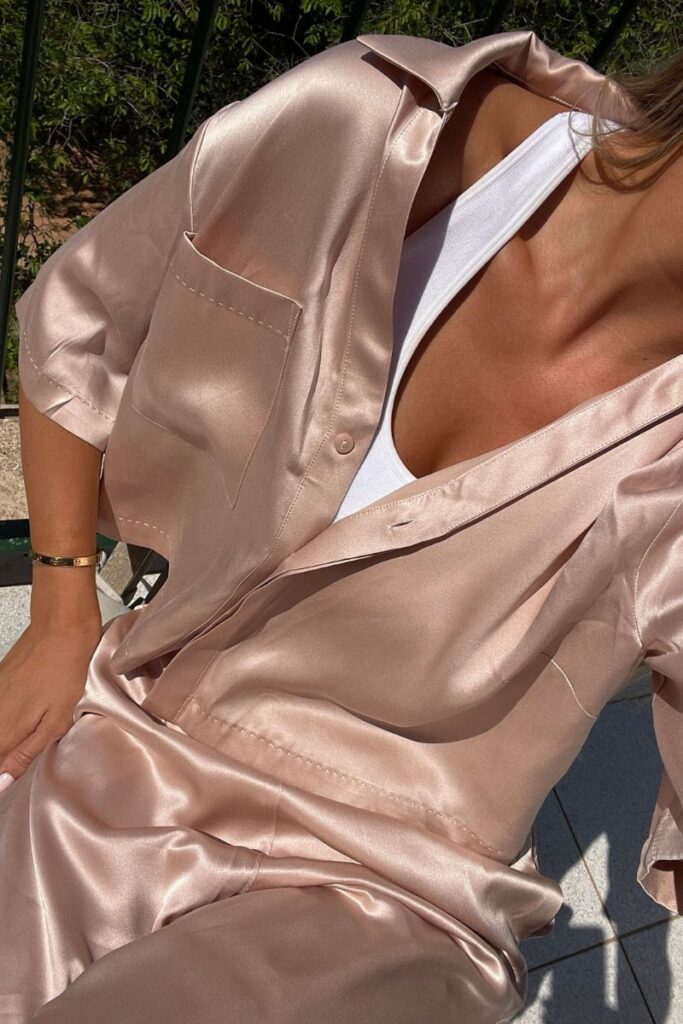
Often labelled as eco-friendly, these plant-based fibres are smooth, breathable, and drape beautifully. Great for tops, dresses, and pyjamas.
Wool (Merino or Cashmere)
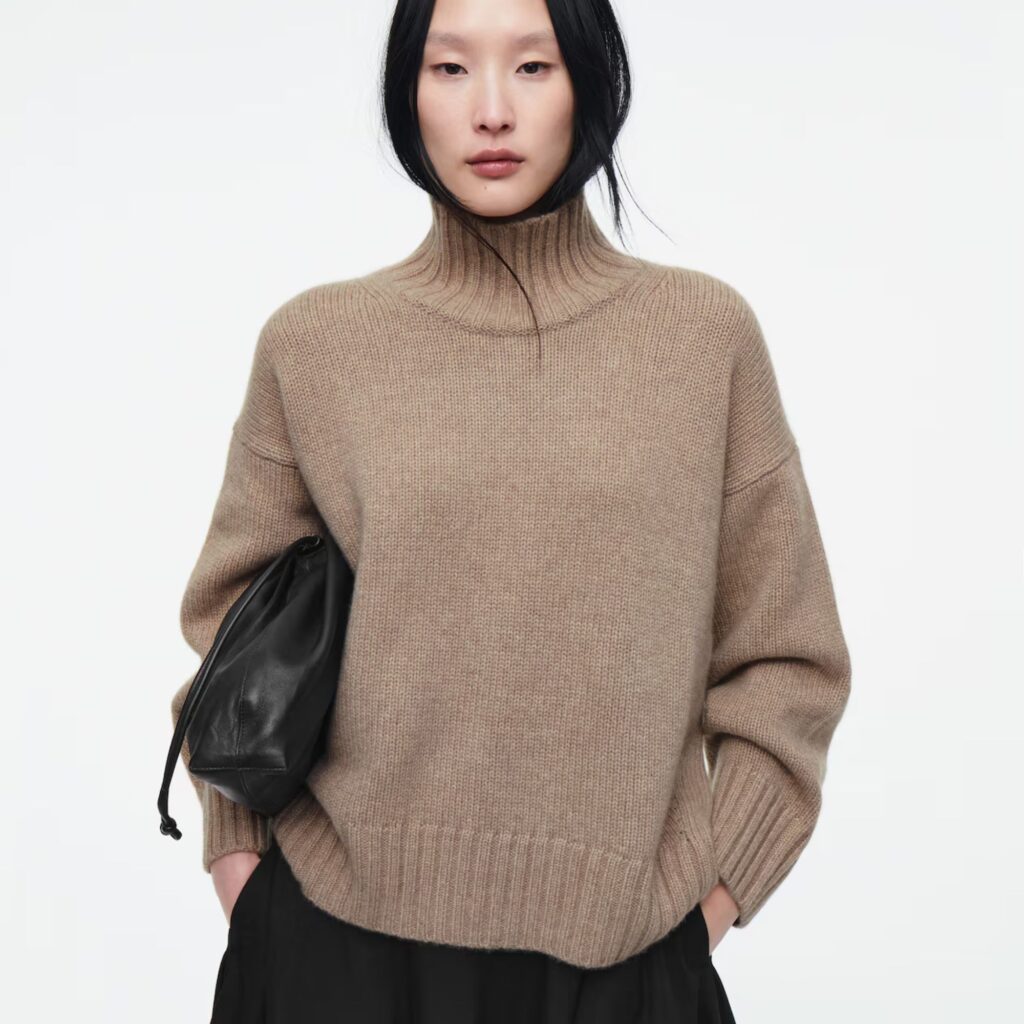
Don’t write wool off as itchy. Fine merino is warm and soft, ideal for layering. Cashmere is luxe but delicate. Always check for bobbling and treat with care.
Polyester (Yes, Really)
A lot of activewear and occasion dresses are made from polyester for a reason. It holds colour, resists wrinkles, and lasts. Just go for higher quality finishes, and steer clear of the squeaky kind.
Linen
Best for warm weather. It breathes well and looks relaxed by design. Accept the creases or layer up with textures to balance the look.
When to Spend and When to Save
- Spend on pieces that sit close to your skin or get heavy use: knits, underwear, everyday dresses.
- Save on trend-led pieces or occasional-wear items. Don’t pay top price for something you’ll wear twice.
Care Counts Too
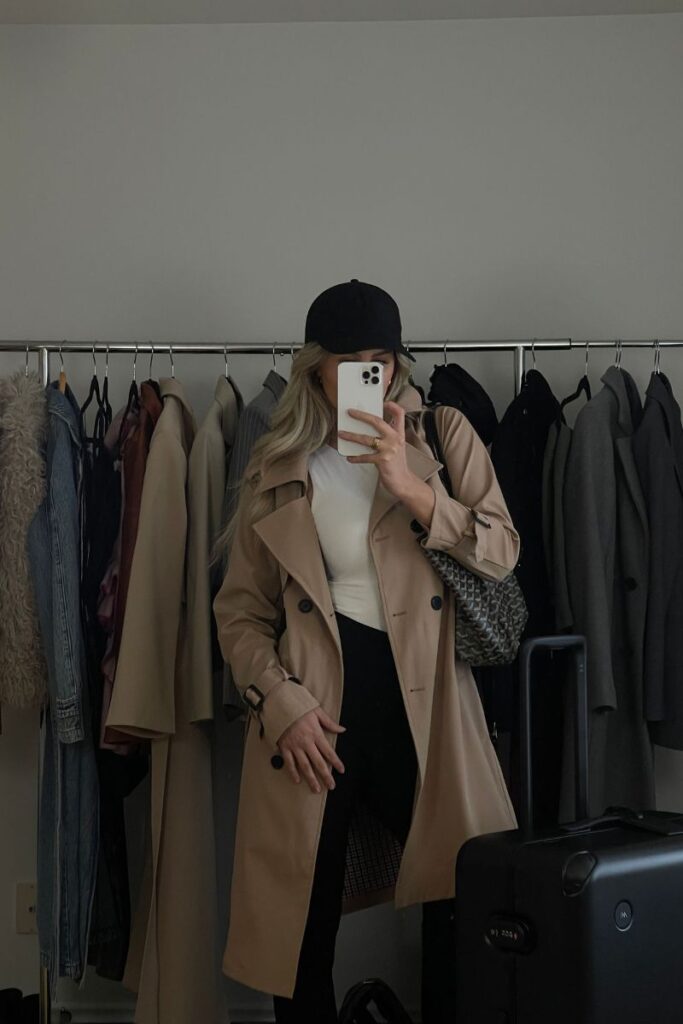
Even the best fabric won’t last if you mistreat it. Always read the care label. Hand-wash delicates, use laundry bags for soft knits, and avoid the tumble dryer unless it’s absolutely necessary.
Choosing better fabrics doesn’t mean you need to become an expert or spend hours researching fibres. A quick feel, a glance at the seams, and a moment to imagine how it will fit into your life is often enough.
The goal isn’t perfection, just progress toward a wardrobe that feels better and works harder.
