When Curly Hair Starts to Thin: A Softer Approach
Hair is deeply personal.
And when it starts to change, especially after pregnancy, with age, or during periods of stress, it can feel like something unspoken is shifting too.
For those of us with curly hair, the changes can feel even more noticeable. The volume we once took for granted might feel flatter, patchier, or simply not like it used to.
This isn’t about chasing the hair we had when we were 20. It’s about learning to care for what we have now, with more gentleness and less judgment.
Why Is Curly Hair Prone to Thinning?
Curly hair is naturally drier and more fragile than straight hair.
The structure of a curl means natural oils from the scalp have a harder time travelling down the strand.
Add in hormonal shifts (hello, postpartum and perimenopause), tight hairstyles, harsh products, or stress, and hair can start to thin out or break more easily.
This kind of change is common. But that doesn’t mean it’s easy.

What Might Help
This isn’t a list of miracle cures.
It’s a collection of considered changes that may support scalp health, improve strength, and help you feel more at ease in your hair again.
1. Simplify Your Routine
Heavy stylers, harsh sulphates, and frequent manipulation can all put extra strain on thinning curls. Consider scaling back.
Try:
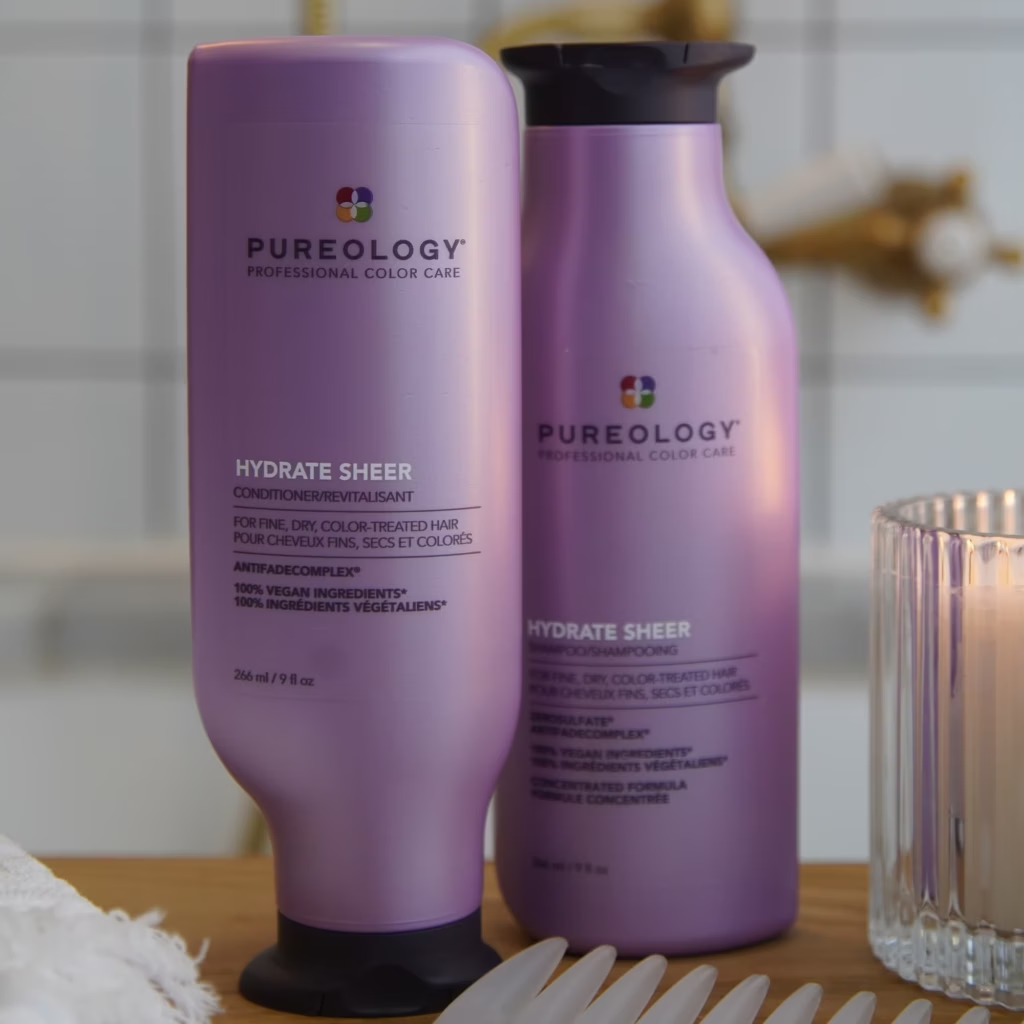
- A gentle, sulfate-free shampoo
- A light leave-in conditioner or curl cream
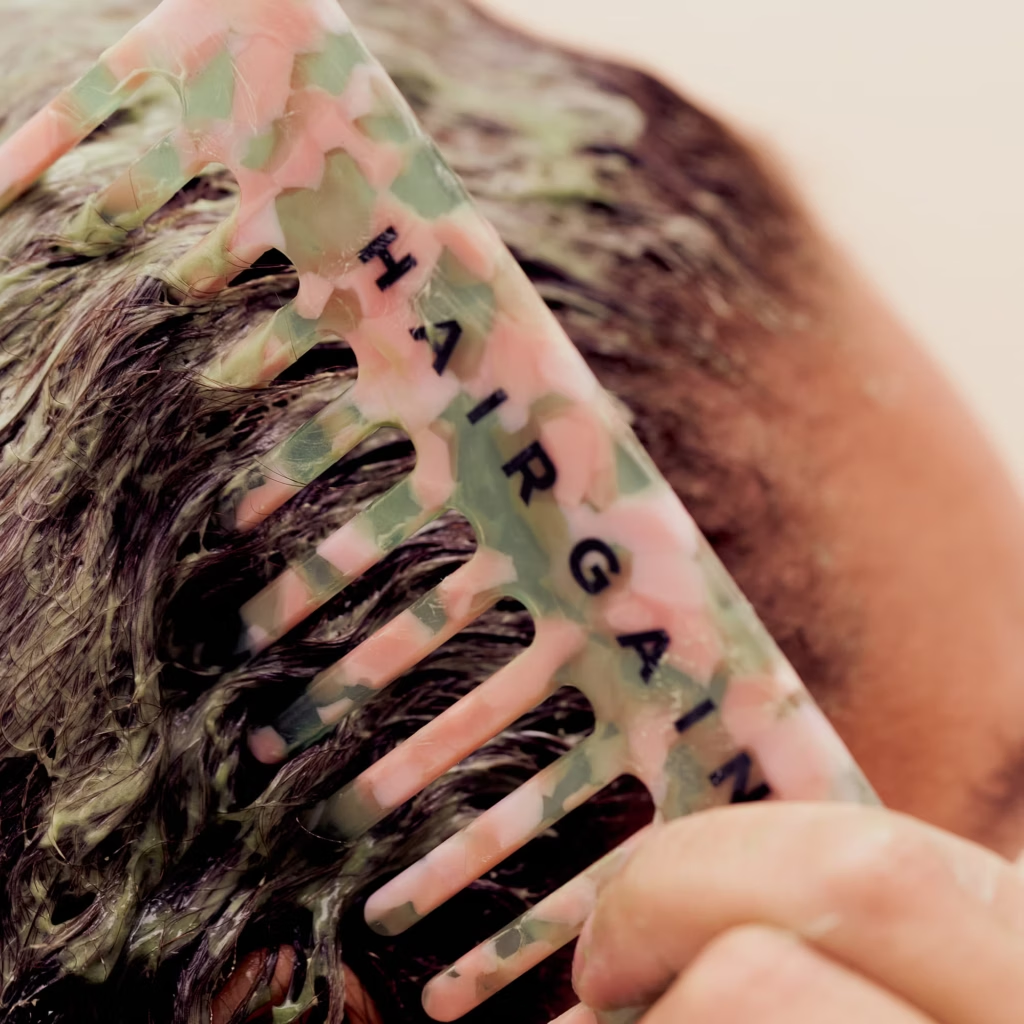
- A wide-tooth comb (and no more brushing dry hair)
2. Care for the Scalp
Healthy curls start at the scalp. A dry, tight, or inflamed scalp can impact growth and shed.
Try:
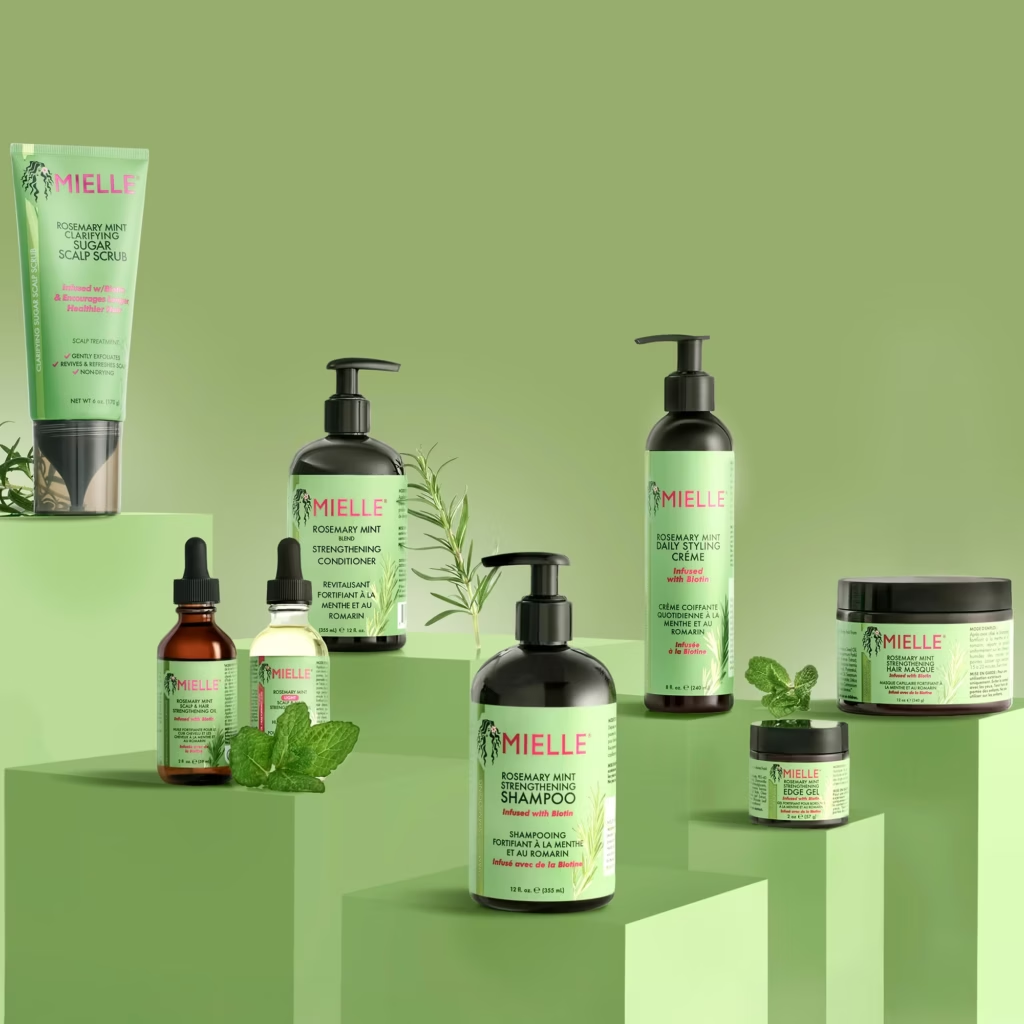
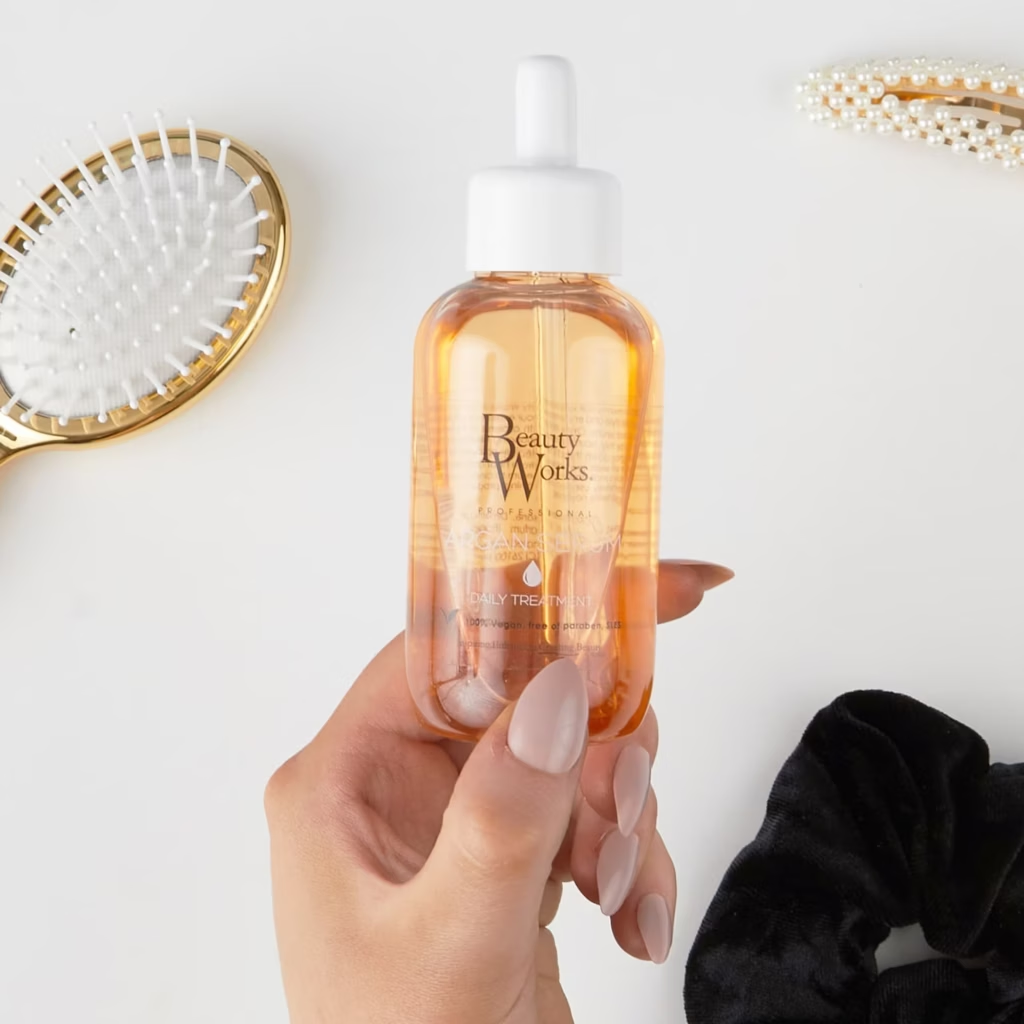
- Weekly gentle scalp massage with a nourishing oil (rosemary, argan, or jojoba work well)
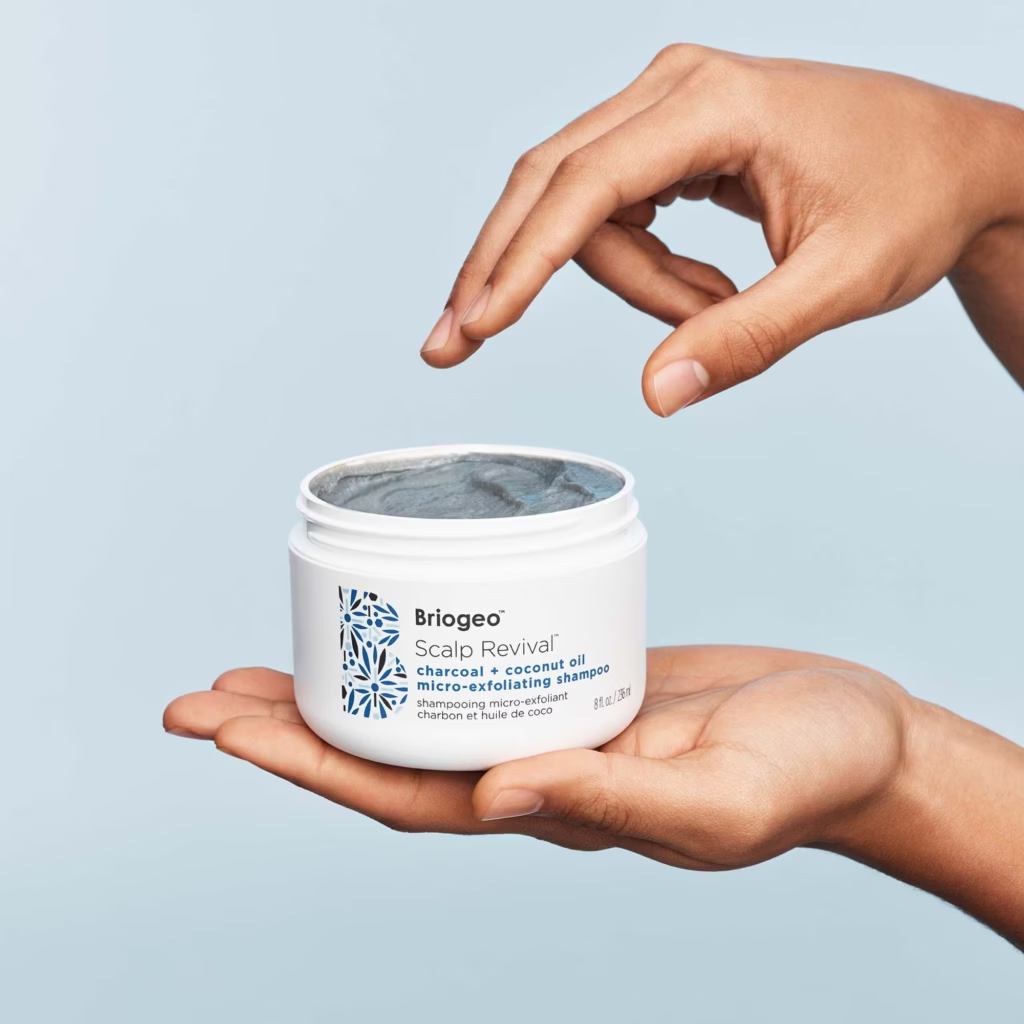
- Scalp exfoliation once a week using a soft scrub or chemical exfoliant
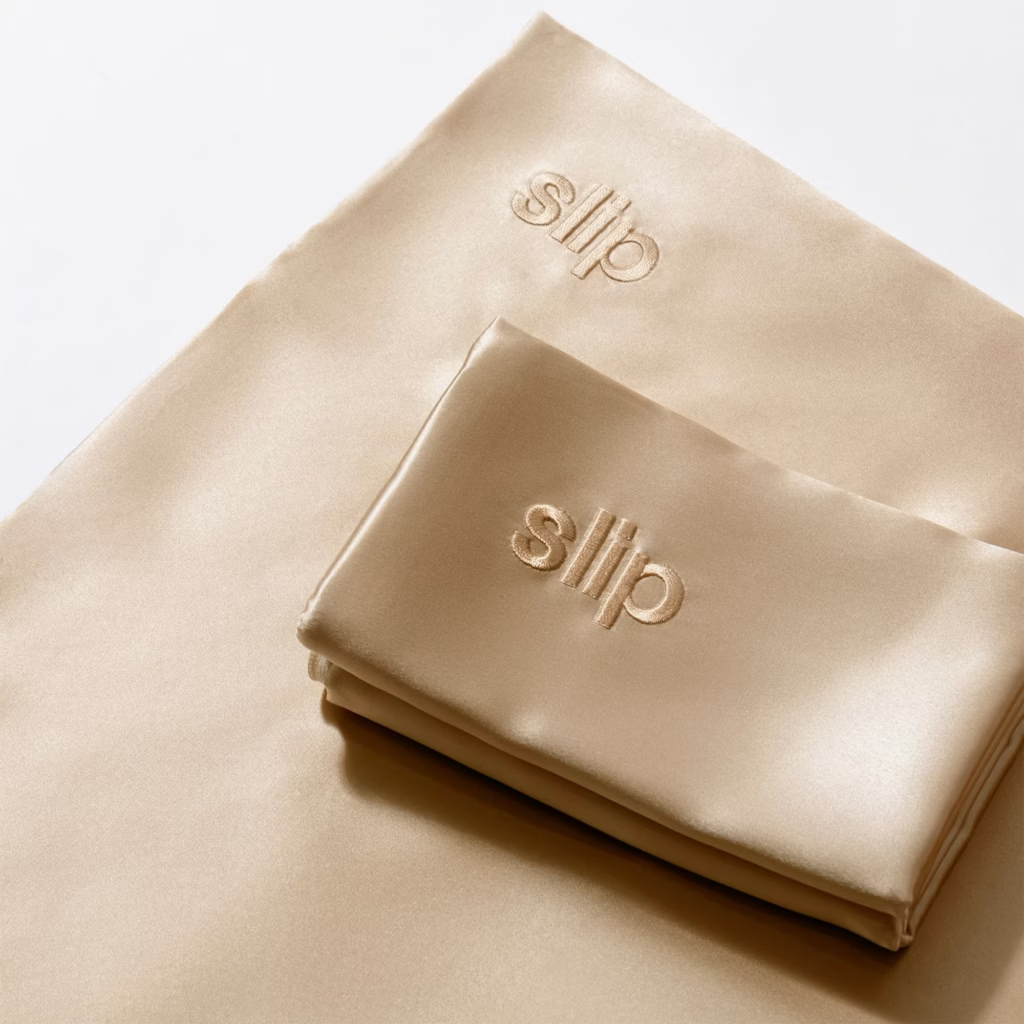
- Sleeping on a silk pillowcase to reduce friction and dryness
3. Reduce Tension
Tight buns, ponytails, and protective styles (when too tight or worn too long) can cause stress on your follicles.
Try:
- Low manipulation styles like loose braids or soft updos
- Letting your hair rest between styles
- Avoiding very tight headbands or elastics
4. Eat + Supplement for Hair Health
What you eat can impact how your hair behaves, especially during times of hormonal shift.
Try:
- Iron-rich foods (like leafy greens and lentils)
- Omega-3 fatty acids (found in flaxseed, walnuts, salmon)
- Biotin, vitamin D and zinc supplements (if recommended by your GP)
5. Reframe the Mirror Talk
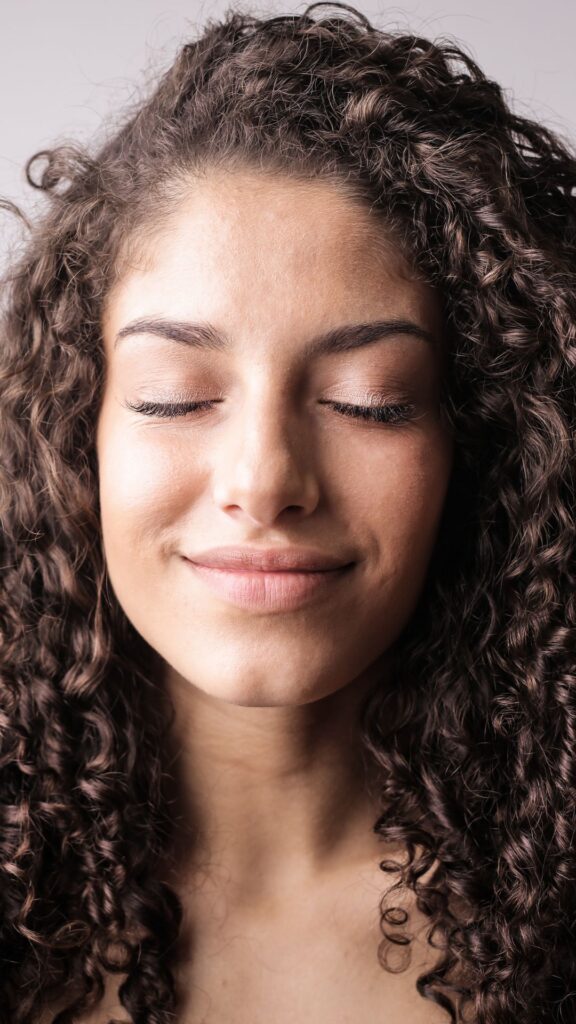
Not everything needs fixing. Thinner hair doesn’t mean you’re any less you. But it’s okay to want to feel more like yourself again.
Try:
- A shorter, shaped cut that adds lift and structure
- Light layers to help create the illusion of fullness
- A diffuser to enhance curl pattern without extra frizz
You don’t need more products. You don’t need to start over. You just need small, realistic rituals that feel doable in the life you’re living now.
Hair changes. That doesn’t mean you’re losing yourself, it just means you’re evolving. And so is your hair.
Whether you’re adjusting to postpartum hair loss, dealing with age-related thinning, or just feeling disconnected from your reflection, know this: gentle, consistent care matters more than the perfect curl.
Take your time. Be kind to your hair and to yourself.